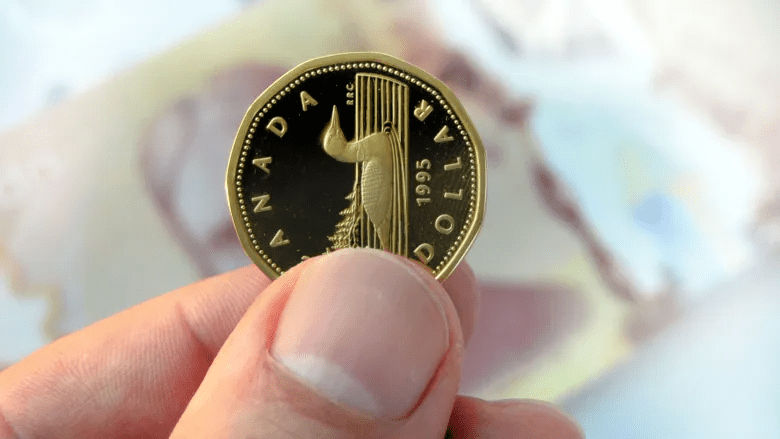
The minimum wage in New Brunswick increased to $13.75 today, making it the highest hourly rate in Atlantic Canada.
But with other Atlantic provinces making plans to raise their minimum wages more than once in the next year or two, the “highest hourly rate” title for New Brunswick may not last long.
The move to increase New Brunswick’s minimum wage comes after Trevor Holder, the post-secondary education, training and labour minister, scrutinized the province’s minimum wage, calling it “downright embarrassing.”
That was when the minimum wage sat at $11.75 and was the lowest in the country.
Even with the adjustment, it’s still dollars lower than the lowest “livable wage” in the province calculated by the Human Development Council, an organization concerned with social issues in New Brunswick.
Holder referred to the jump as a “one-time correction” that was needed to fix the low rate.

He said the province will resume using a consumer price index, a measure of changes in the cost of living, to adjust the rate in 2023.
Minimum wage goes up for all of Atlantic Canada
Other Atlantic provinces are only small margins behind New Brunswick’s minimum wage and have plans to increase their rates throughout the year.
In Nova Scotia, the rate went from $13.35 to $13.60 today and will increase to $14.30 in April. October 2023 will be bring a 35-cent increase for the province, followed by a bump to $15 in October 2024.
The rate in Newfoundland and Labrador increased by 50 cents to $13.70 today. It is expected to increase in April 2023 to $14.50 followed by another increased in October 2023 to $15.
Prince Edward Island did not increase its rate today, but it was announced last week that the minimum wage will increase from $13.70 to $14.50 in January 2023. Another increase in October 2023 will bring the province’s rate to $15 per hour.
What does the increase mean for businesses?
Holder said the 2022 increases in New Brunswick are expected to affect 15,500 minimum wage earners and 30,000 others who make more than the current minimum wage, but below $13.75 per hour.
Brad Leblanc, a co-founder for Love for Local New Brunswick, said there are “two sides to the coin” when it comes to the minimum wage increase. He said it’s exciting for the working community when it comes to a minimum wage increase, but it can be challenging for small businesses.

He said small businesses, on a good day, have very tight margins.
“It could be like night and day for those folks,” he said.
Aimee Hutchinson, owner of Beloved Miniature Horses in Irishtown, N.B., said her business relies on volunteers. She said one of her goals has been to get those volunteers on the payroll.
“Unfortunately, we don’t have the funding in place right now in order to meet those needs. So right now, it’s just going to take me longer to get to the point I wanted to get to,” said Hutchinson.

She said while the minimum wage increase is necessary, she does think it will pose a bit of a challenge to small businesses.
“You put your heart and soul into it and it’s not always profitable as you want it to be,” said Hutchinson. “There’s a lot of challenges along the way.”
‘Livable wage’
The hourly rate in New Brunswick increased by 17 per cent since December of last year, including an increase of $1 in April, going from being the lowest minimum wage in the Atlantic provinces to the highest in a year.
In 2021, the hourly wage increased by just five cents, which drew criticism from social justice groups and local leaders.
- Living wage for Fredericton over $20 an hour, says anti-poverty group
- New Brunswick’s minimum wage increase ‘so small,’ social justice group says
The New Brunswick Common Front for Social Justice advocates for a $20 per hour minimum wage. In a tweet, they said the current minimum wage is not enough to afford basic necessities.
The Human Development Council calculated the “livable wage” in four cities in New Brunswick.
It calculated a living wage would be from $17.50 per hour in Bathurst to $21.20 in Fredericton when accounting for things like housing, necessities and child care.

Kryss-Ane White, the store manager for the Boutique Hospice Shoppe in Moncton, N.B., said she feels good about the minimum wage increase.
“Every dollar counts. If it’s even just $1, it counts. It goes up to paying bills, groceries or something,” she said.
Still, she said, the $1 increase, while nice, doesn’t have much impact on the rising cost of living.
“Your pay goes up, the tax goes up with it …when we look at it that way, it doesn’t really make much of a difference.”
Co-written with Isabelle Leger
This story was originally published in CBC News on Oct. 1, 2022.
 Hannah Rudderham Portfolio