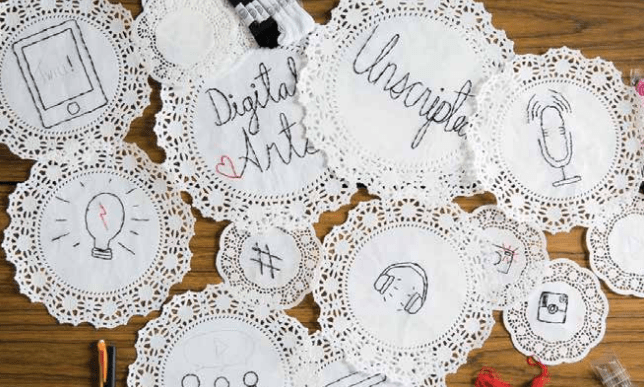
The Unscripted Twillingate Digital Arts Festival in Newfoundland and Labrador reached international audiences when they mounted a hybrid festival last year—a successful feat they hope to repeat this September.
Wilma Hartmann, co-chair of the board and one of the founding members of the festival, says they had to make quick decisions when COVID-19 hit last year. The board was confronted with a choice: to do nothing for the festival or to accommodate a new way of presentation through technology.
The opening event was fully virtual and the big feast, which is a festival tradition
with an invited chef, was converted into a cooking show featuring Chopped Canada
winner Roary MacPherson with food pickup available. Workshops were also offered online, which invited more people across the country to take part.
“For [the] most part, we were surprised that it worked, in some cases, better than the in-person scenario,” says Hartmann. “We reached a wider audience, so that was a lovely new discovery for us.”
The hybrid element of the event allowed for music performances to be livestreamed and people from as far as Australia got to interact with the entertainment.
The festival began seven years ago in 2015 when digital art was becoming mainstream. It coincided with the uptake of sharing on social media platforms such as Facebook and Instagram.
Hartmann is the co-owner of the Anchor Inn Hotel in Twillingate which gives her the opportunity to see people come into town with their cameras. She said the first thing they would do is go to the lighthouse to take photos of the icebergs and come back to the hotel
excited to share them.
“We realized this is something that you can make an event of because people enjoy it so much,” she says.
The festival this year runs in mid-September, from the 16th to the 19th and features digital photography, video, sound art, and mixed media.
Hartmann hopes that the Unscripted festival will continue to grow in stature so that Twillingate becomes known as a centre for digital arts excellence. She would also like local schools to become more involved since young people are naturally skilled in digital creativity.
“We can bring Twillingate to the world in a bigger way,” she says. “I think that is
what the digitization of the art world is allowing us to do—to show our creativity to people who might never even travel to Twillingate.”
This story was originally published in This Magazine for the September/October issue.
 Hannah Rudderham Portfolio