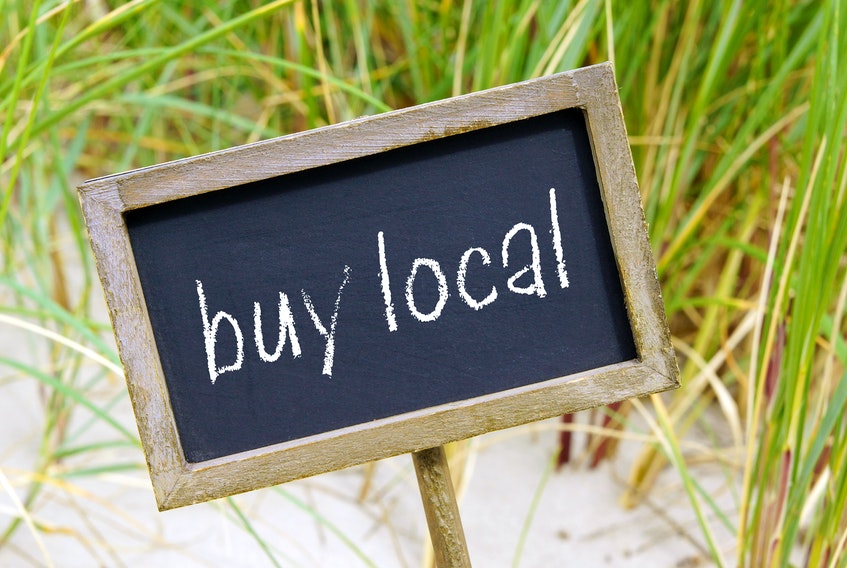
Disclaimer: The headline of this column was changed in the editing phase and is misleading to the message of the piece. Nobody should feel forced or obligated to “buy local,” these are just my reasons for shopping locally.
Happy mid-way through summer!
Unfortunately, it’s not just summer, it’s “protect yourselves and others” season, also known as COVID-19 season.
COVID-19 has caused a lot of local businesses to lose business and some have had to close their doors for good.
Even though massive department stores or chain coffee shops look tempting, chances are they probably aren’t suffering as much as local businesses.
This month, I’ve gone to Walmart. But, I’ve made sure that I shop local more than chains. I am a big fan of local coffee companies like Gaslight Café and Ugly Mug. If I’m going to get coffee, it might as well be from a local shop.
Supporting local artists is also very important. I recently bought a pair of earrings from local artist Gee Stewart because I’d much rather give my money to someone putting love and care into each product rather than a mass production.
Here are some reasons why I shop local:
1. Local business owners are invested in the community.
Oftentimes, if a business owner has chosen somewhere to put down roots for their shop, they care about the community and what the community needs to thrive. Someone who cares about community welfare is less likely to pick up and leave.
2. Where will your money make the biggest impact?
Is your money going to make a visible difference when buying from a chain store? Will the CEO of a chain rely on your purchase to feed his family? No. You can’t say the same for a small business owner.
3. Local owners often buy local themselves.
When someone owns a small business, they are usually aware of the economic impact buying local has on the community. When you buy local, more of your money is going to go back into the community.
4. Reduce your fast fashion consumption.
According to Sustain your Style, fast fashion is the second-largest pollutant in the world. Local boutiques are usually more sustainable in the way their clothing is produced. And there’s also the option to thrift your clothing from a locally owned thrift shop. Then you can say you’ve reused your clothing. Also be sure to donate or share your clothes with others instead of throwing them out. Donating to local thrift shops is usually the way to go.
5. Support non-profits by supporting local businesses.
According to Shop Local Raleigh, non-profit organizations receive 250 per cent more support from local businesses than they do from big corporations.
6. “You wouldn’t know it, it’s a local place.”
Your community is one-of-a-kind thanks to the local shops that set up in your town. If you tell someone from another town where you got something, they might want to pay your city a visit to see the local business which will increase tourism.
7. Make personal connections.
One of my favourite parts of shopping local and returning to those local shops is the connection you’ll make with the owners and the employees. I love chatting with employees of small businesses. I always feel welcomed and appreciated. Try it sometime.
8. Local business owners adjust for their customers.
Local business owners are usually very knowledgeable about what they’re selling. They take notice of what customers like. They keep track of their most-loved products and will often adjust to fit what their customers are buying.
9. Reap health benefits.
Shopping local isn’t exclusive to coffee shops and boutiques like I’ve mentioned — it also includes buying from local farmers or farmers markets. Local veggies and fruits are usually safer for consumption because of lack of chemical usage. Grass-fed animals are safer to eat and produce safer products like milk and eggs.
10. Support your city’s future.
If you buy local and the small businesses flourish, more local businesses will set up shop in your area. This adds to the growth and personality of your town. Be proud of where you live and the metaphorical greenery all around you.
This column was originally published in Saltwire Network on July 22, 2020
 Hannah Rudderham Portfolio